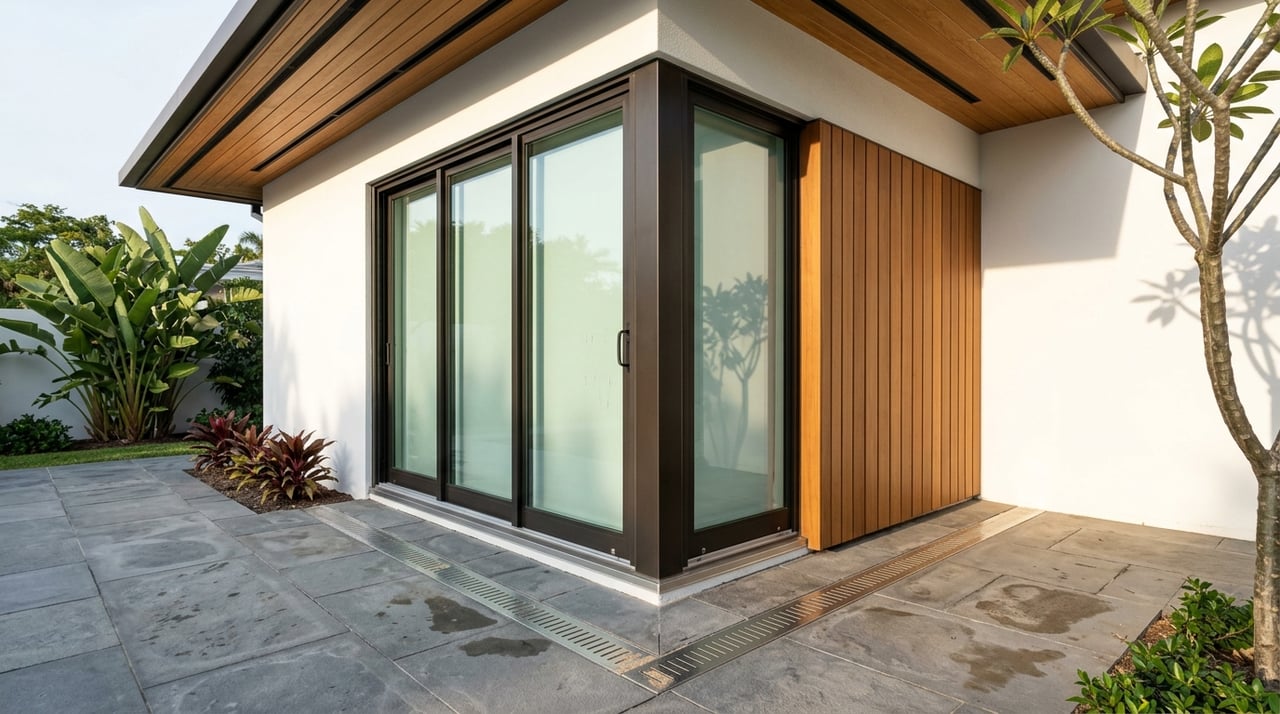
Buying an oceanfront home in Kapalua can feel like a dream come true, but the details behind the view matter just as much as the view itself. If you are considering a property near the shoreline, you need more than beautiful finishes and a great lanai. You need to know how the home is built, how it handles salt air and moisture, and whether it is positioned for long-term durability. That is where a careful, construction-aware approach can make a real difference. Let’s dive in.
Why Construction Matters in Kapalua
Kapalua oceanfront homes face a demanding coastal environment. Salt spray, wind-driven rain, humidity, flooding, erosion, and sea level rise can all affect how a home performs over time.
Hawaiʻi’s coastal hazards resources identify shoreline erosion, tsunamis, hurricanes, sea level rise, flooding, subsidence, earthquakes, and lava flows as relevant hazards across the state. In Maui County, shoreline setback and Special Management Area rules also shape what can be built or changed near the water.
That means construction quality is not just about appearance. In Kapalua, it is closely tied to maintenance, repair costs, and how a property may hold up in the years ahead.
Watch Exposure, Not Just the View
An ocean view can be stunning, but it does not tell you how exposed a property may be to flooding or erosion. Hawaiʻi’s Climate Change Portal reports that statewide sea level has already risen 5 inches since 1970 and projects about 8 more inches by 2050 under an intermediate scenario.
The state recommends using its Sea Level Rise Viewer to help identify possible passive flooding, annual high wave flooding, and coastal erosion exposure. Buyers can also review FEMA flood hazard information by address through the Flood Map Service Center.
In practical terms, this means your due diligence should include both the home itself and the site it sits on. A well-finished property may still deserve closer review if the parcel shows meaningful shoreline exposure.
Exterior Materials Need Marine Durability
On the coast, exterior materials have to do more work. FEMA guidance notes that salt spray and moisture can speed up corrosion, especially near breaking waves where salt builds up on metal surfaces.
One FEMA guide recommends stainless steel in areas where rapid corrosion is expected, including within roughly 3,000 feet of the coast. For Kapalua buyers, that makes exterior hardware and fasteners worth close attention.
Check the Metal Details
Look closely at railings, balcony hardware, connector plates, exterior fasteners, and trim. These are the areas where corrosion often starts to show first.
FEMA also warns that dissimilar metals in contact can corrode in salty, wet conditions. That means transitions between aluminum, steel, concrete, stucco, and wood deserve a careful look.
Do Not Assume Concrete Is Maintenance-Free
Concrete can feel solid and low-maintenance, but coastal conditions still matter. The National Institute of Standards and Technology notes that corrosion of steel embedded in concrete remains a persistent issue, and warmer, humid coastal environments can accelerate deterioration.
That does not mean concrete is a poor choice. It means reinforced concrete homes still need inspection, upkeep, and a realistic maintenance plan.
Windows and Doors Are Critical Weak Points
In coastal homes, windows and doors do more than frame the view. They are common points for water intrusion, especially during wind-driven rain.
FEMA says water intrusion through and around windows and doors can damage finishes and contents, contribute to dry rot, and lead to fastener corrosion. Problems can happen when assemblies were not tested for water penetration resistance or were not flashed and sealed correctly.
Ask About Flashing, Not Just Sealant
A polished exterior can hide weak detailing. FEMA guidance makes an important distinction here: sealant should not be treated as a substitute for proper flashing.
Flashing should be lapped correctly, and fasteners should be compatible with the surrounding materials. If a home depends too heavily on caulk alone, that is worth a second look.
Opening Protection Matters Too
FEMA also notes that shutters or other approved opening protection can help protect windows and doors from wind, windborne debris, and the water intrusion that can follow a breach. If the property includes any type of opening protection, ask what is installed and how it is intended to perform.
Roofs, Decks, and Lanais Deserve Extra Attention
Kapalua homes often feature large lanais, broad overhangs, and indoor-outdoor living areas. These spaces add appeal, but they also sit right where weather and structural stress tend to meet.
FEMA identifies roof coverings, windows, doors, soffits, fascia, and chimneys as parts of the building that must resist localized wind pressures. In coastal settings, roof uplift and wall suction can be significant.
Look at the Connections
Exposed decks and roof overhangs can fail if they are not adequately connected. FEMA guidance also highlights the importance of proper roof-to-wall and deck-to-wall flashing, increased lap lengths where needed, and stainless steel deck connection hardware.
When you tour a home, try to look past the finish materials. The real questions are how the pieces connect, how water drains, and whether repairs at joints and penetrations appear well handled.
Pay Attention to Water Paths
Lanais and terraces often look clean and complete on the surface. Still, hidden trouble can develop where membranes end, where slope is poor, or where water gets trapped near walls and railings.
If a deck or terrace sits directly in salt air, small waterproofing details become much more important. A beautiful lanai is only as good as the system underneath it.
Shoreline Rules and Permit History Matter
In Kapalua, site exposure is only one part of the picture. The legal status of shoreline improvements matters too.
Maui County explains that the Shoreline Setback Area is part of the Special Management Area and includes additional restrictions intended to protect against coastal hazards and preserve shoreline access. Hardening structures such as seawalls, revetments, groins, and geotextile sea bags may require a variance.
County guidance also says a Special Management Area Use Permit can be required for shoreline parcels or parcels affected by waves, storm surge, high tide, or shoreline erosion when proposed work meets certain valuation thresholds. Because Maui County says parts of its updated shoreline rules were invalidated by court order in November 2024, buyers should verify current requirements directly with the Planning Department rather than assume an older improvement is fully compliant.
Smart Questions to Ask During a Tour
If you are touring a Kapalua oceanfront home, these questions can help you focus on the details that matter most:
- What materials were used for exterior fasteners, railings, connector plates, and balcony hardware?
- Are those materials corrosion-resistant for a marine environment?
- Were the windows and doors tested for water penetration resistance?
- Were the window and door assemblies flashed and sealed according to manufacturer guidance?
- Has the property had any water intrusion, roof leaks, stucco cracking, or repairs at roof-to-wall or deck-to-wall junctions?
- Are permits on file for additions, lanais, decks, seawalls, or shoreline stabilization work?
- Does the parcel show passive flooding, annual high wave flooding, coastal erosion exposure, or mapped flood hazard by address?
These questions help you move beyond staging and surface appeal. They also help you understand whether a home’s condition reflects durable construction or deferred maintenance.
What Buyers Should Prioritize Most
In Kapalua, durability often matters more than decorative finish. Corrosion-resistant materials, well-detailed flashing, strong connections, and a clear permit history usually tell you more about long-term ownership than a luxury fixture package.
This is especially important for off-island buyers who may not be on Maui often enough to catch maintenance issues early. A home that has been thoughtfully built and consistently maintained may be easier to own, budget for, and protect over time.
With a construction-informed eye, you can better separate cosmetic appeal from lasting quality. That can make your purchase decision much more confident and much more strategic.
If you want a local perspective on how to evaluate build quality, site exposure, and the practical details behind a Kapalua oceanfront purchase, Lena M. Taberna offers hands-on Maui real estate guidance grounded in construction knowledge and concierge-level service.
FAQs
What construction details matter most in Kapalua oceanfront homes?
- The most important details often include corrosion-resistant exterior materials, proper flashing at windows and doors, strong roof and deck connections, water drainage at lanais, and a clear permit history for shoreline-related improvements.
Why should buyers check flooding and erosion exposure in Kapalua?
- Buyers should check site exposure because sea level rise, passive flooding, annual high wave flooding, and coastal erosion can affect maintenance needs, long-term risk, and overall ownership costs.
What should buyers ask about windows and doors in Kapalua coastal homes?
- Buyers should ask whether windows and doors were tested for water penetration resistance and whether they were flashed and sealed correctly, since these openings are common points for water intrusion in coastal conditions.
Do concrete homes in Kapalua still need close inspection?
- Yes. Concrete homes can perform well, but reinforced concrete in marine environments can still face corrosion-related deterioration, so inspection and maintenance planning remain important.
Why does permit history matter for Kapalua shoreline properties?
- Permit history matters because Maui County regulates shoreline-adjacent development, and features such as lanais, decks, seawalls, or stabilization work may require permits, approvals, or variances depending on the site and scope of work.