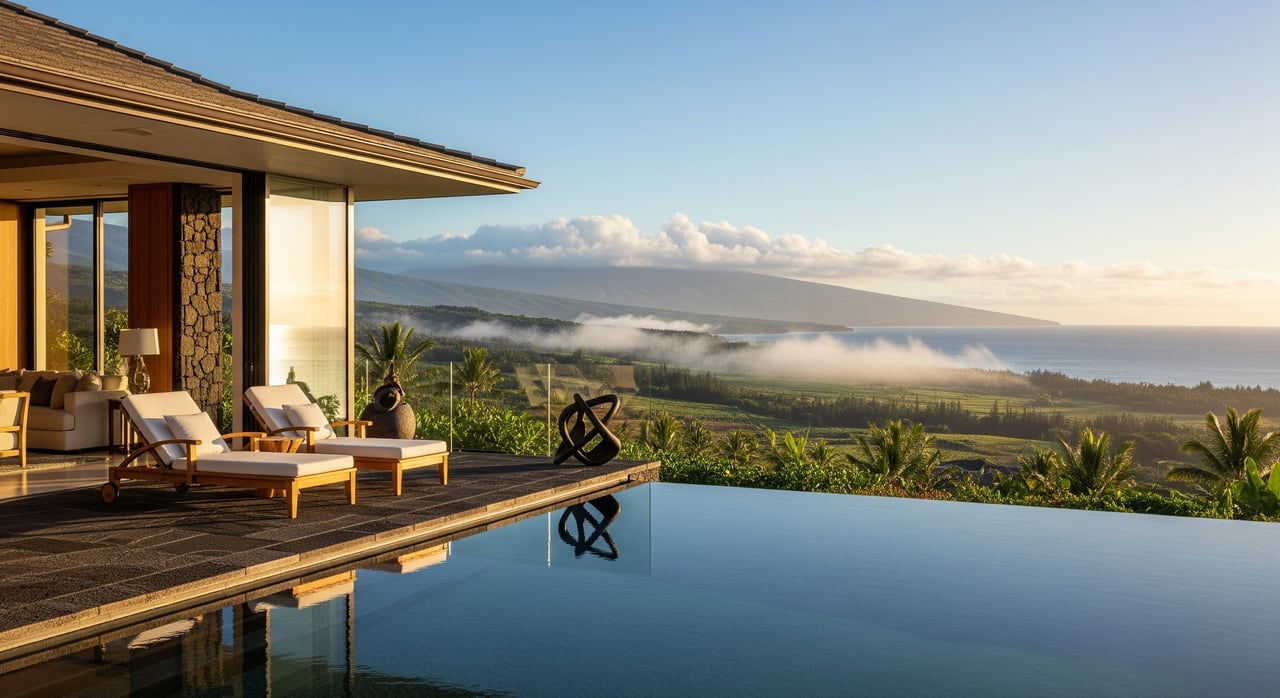
Salt air, glowing sunsets, and world-class golf make Kapalua feel like a dream. But the same ocean breeze that cools your lanai can age a roof faster, and afternoon sun can fade finishes before you expect it. If you are considering a home near Kapalua, understanding how the local microclimate affects materials, maintenance, and comfort will save you money and surprises.
Here is a clear guide to wind, rain, sun, and salt in Kapalua, plus the smart building choices and maintenance routines that keep coastal homes looking great longer. You will also get a practical checklist to use during showings and inspections. Let’s dive in.
Kapalua microclimate basics
Kapalua sits on the northwest coast below the West Maui Mountains. Local weather shifts over short distances because of ridgelines, elevation, and exposure. Two homes a mile apart can have very different wind and sun patterns.
Wind patterns in Kapalua
Hawai‘i’s trades often blow from the east or northeast. Kapalua’s northwest-facing shoreline can be partially sheltered at times, yet local terrain creates wind funnels and gusts in certain pockets. You will also see occasional Kona systems from the south or west that bring off-pattern wind events.
Rain and sun exposure
Windward slopes in West Maui get more rain because of orographic lift. The northwest coastal benches near Kapalua are typically drier, though upslope pockets can be wetter. Showers are often brief and intense, and UV levels stay high year-round with stronger afternoon sun on west and northwest exposures.
Salt, humidity, and corrosion
Proximity to the ocean means salt spray and higher humidity. Salt accelerates corrosion in fasteners and hardware, degrades paint and coatings, and feeds mildew and biological staining. This is the single biggest factor in coastal wear and why material choice and detailing matter so much.
Roof and exterior choices that last
Durable coastal homes pair the right materials with details that shed water and prevent trapped moisture. Good choices here pay off for decades.
Best roof materials
Metal standing seam roofs with a high-quality marine coating, such as PVDF, perform well if installed with compatible components. Use 316 stainless steel fasteners and accessories to resist salt corrosion. Glazed clay or concrete tile is also durable and UV resistant, though underlayment and flashings still need attention. Standard asphalt shingles often have a shorter life in coastal sun and salt, even at higher grades, so plan for more frequent replacement if you choose them.
Flat or low-slope areas and valleys concentrate water and debris. Ensure robust flashing, clear drainage paths, and easy access for cleaning.
Fasteners and flashings
Salt is relentless on exposed metal. Prioritize 316 stainless steel for through-fastening and visible hardware, and use flashing materials that are compatible with your roof to avoid galvanic corrosion. Schedule semi-annual roof checks and add an extra inspection after any major wind or rain event.
Siding and paint picks
High-quality 100 percent acrylic exterior paints with UV stabilizers and mildewcides are your best friend near the coast. Fiber cement siding and three-coat stucco perform well when detailed with a rainscreen, weep screeds, and control joints that allow drainage and drying. Natural wood is beautiful but needs more frequent sealing in marine environments. If you choose wood, select durable species, keep joints tight, and use stainless fasteners.
Windows, doors, and glazing
Frames, tracks, and hardware face salt buildup and wind. Choose corrosion-resistant frames and consider impact-rated glazing where required by code or insurance. Low-e glass can help control solar heat, while operable windows and sliders need regular lubrication and track cleaning to prevent binding.
Lanai comfort year-round
Your lanai is one of the best parts of living near Kapalua. A few simple upgrades can extend comfort during gusty afternoons or bright late-day sun.
Wind and shade solutions
- Roll-down marine-grade screens or tempered glass panels reduce gusts while preserving views.
- Adjustable aluminum louvers with coastal-rated coatings let you tune wind and light.
- Landscape windbreaks using dense, salt-tolerant plantings help, though they take time to establish.
- Fixed roof overhangs and retractable awnings block low afternoon sun on west and northwest exposures.
Durable furnishings and fabrics
Choose stainless steel furniture, powder-coated aluminum, or synthetic wicker with UV-stable cores. Use solution-dyed acrylic fabrics that resist UV and mildew, and consider quick-drying foam. Store cushions when not in use to extend their life.
Drainage and water control
Lanais should shed water away from the home. Grade surfaces to drain, add splash blocks or gutters where needed, and avoid flat spots that trap water or salt.
Maintenance schedules that work
Coastal homes do best with proactive upkeep. Plan for a slightly higher maintenance budget than inland properties. Here is a practical baseline for Kapalua conditions.
Monthly
- Walk the exterior to spot salt buildup, blocked drains, or debris in roof valleys.
- Rinse railings, hardware, and outdoor furniture if you see salt caking.
Quarterly
- Clean gutters and downspouts. Clear roof valleys and screens.
- Rinse lower siding, screens, and railings where salt collects.
- Check lanai screens and shades for smooth operation and small tears.
Semi-annual
- Inspect the roof for lifted panels or tiles, fastener corrosion, and flashing condition. Add extra checks after big storms.
- Service HVAC. Clean condensers, verify coastal coatings, and check mounts.
- Re-seal failed caulk at windows and doors to prevent water intrusion.
- Check eaves, soffits, and exposed wood for mold, rot, or insect activity.
Annual
- Schedule a professional roof inspection and make minor repairs.
- Wash and treat mildew on painted or stucco surfaces. Avoid excessive pressure.
- Lubricate window and door tracks and inspect seals and weatherstripping.
- Touch up coatings on metal railings and exposed hardware.
Every 5–10 years
- Repaint exteriors. In direct salt exposure, plan for 5 to 7 years. In sheltered areas, 7 to 10 years is possible.
- Refresh metal roof coatings or replace high-wear shingles. Maintain tile underlayment as needed.
- Replace sacrificial anodes and corrosion-prone parts on coastal mechanicals.
Smart construction and design
Strategic detailing reduces wear and makes ongoing maintenance easier.
Detailing and drainage
Rainscreen wall assemblies allow drainage and drying, which reduces paint failure and trapped moisture. Generous overhangs and drip edges keep walls and windows drier. Sloped decks, positive drainage on lanais, and properly sized scuppers prevent pooling and salt intrusion.
Avoid galvanic corrosion
Do not allow dissimilar metals to touch without separation layers. For example, keep copper flashing isolated from aluminum components, and match fasteners to the metals they serve.
Build for access
Plan safe, straightforward access to roofs and screened lanais for cleaning and inspection. Built-in anchors or walkable zones make routine maintenance easier and safer.
Insurance, codes, and due diligence
Maui County follows the Hawaii State Building Code, which is based on international standards with state updates. Coastal wind loads, hurricane resistance, and anchorage requirements can apply near the shore. Confirm the specific code edition and wind design criteria with the Maui County Building Division during due diligence.
Check your parcel’s FEMA Flood Insurance Rate Map designation to understand flood risk, foundation requirements, and possible elevation needs. Maui shoreline and coastal setback rules also affect siting and any future improvements.
Insurers may require impact-rated openings, roof tie-downs, and other mitigations, and premiums can vary by exact location and construction. Confirm coverage availability and expected costs early in the process. Ask about discounts for stronger roofs, shutters, and verified wind-resistant details.
Buyer walk-through checklist for Kapalua
Use this list during showings, your offer period, and inspections.
- Roof
- Coating condition on metal, corrosion at fasteners, clean valleys, intact flashings.
- Underlayment age for tile, cracked or displaced tiles, signs of leaks in attic.
- Exterior walls and paint
- Paint chalking or peeling, mildew staining, quality of caulking and joints.
- Rainscreen or drainage details on stucco or fiber cement where visible.
- Windows and doors
- Smooth slider operation, clean tracks, intact weatherstripping, corrosion on hardware.
- Low-e glass where needed for sun control, check seals for fogging.
- Lanai and decks
- Positive drainage, no ponding, functional scuppers or gutters, intact railings.
- Wind screens, awnings, or louvers in good working order.
- Mechanical and electrical
- HVAC condenser condition, coastal protective coatings, elevation above splash.
- Corrosion at exterior panels, fixtures, and mounts using stainless hardware.
- Site and landscape
- Salt-tolerant plantings as windbreaks, no soil or mulch holding moisture against siding.
- Hardscape free of salt spalling or staining, clear grading away from structures.
- Documentation
- Roof warranties and coating specs, paint schedules, maintenance logs, and permits for recent work.
Costs and budget planning
Expect higher upkeep than inland areas because of salt and UV. Plan for exterior repainting every 5 to 7 years in direct exposure and 7 to 10 years in sheltered pockets. Budget for semi-annual roof and HVAC service. Outdoor fabrics, hardware, and light metals may need replacement more often. Roof choice matters for long-term costs. Coastal-grade metal and glazed tile often outlast standard asphalt shingles in salt and sun, which can balance higher upfront cost with fewer replacements.
The bottom line
Kapalua’s microclimate is part of its beauty. With the right materials, detailing, and maintenance cadence, you can enjoy ocean breezes and lanai living while protecting your investment. If you want help reading a roof, assessing coastal hardware, or building a maintenance plan that fits your property and lifestyle, you are not alone.
If you are exploring Kapalua or another Maui neighborhood, I bring a construction-informed eye and concierge-level coordination to each purchase. From on-island showings to remote escrow management, I make the process clear and efficient. Reach out to Lena M. Taberna to talk through your goals and next steps.
FAQs
How does Kapalua’s wind affect roofs?
- Local funnels can cause gusts that stress panels, tiles, and flashings, so corrosion-resistant materials and semi-annual inspections are important.
What roof materials last near the ocean in Kapalua?
- Metal with a PVDF marine coating or glazed tile usually outlast standard asphalt shingles when paired with compatible flashings and stainless fasteners.
How often should you repaint a Kapalua home?
- In direct salt exposure, plan for 5 to 7 years; in more sheltered spots, 7 to 10 years depending on product quality and workmanship.
Are stainless fasteners necessary by the coast?
- Yes, use 316 stainless steel for exposed and structural fasteners in marine areas, along with compatible flashing to prevent galvanic corrosion.
Is a Kapalua lanai usable year-round?
- Yes, most days are comfortable, and wind screens, overhangs, and UV-resistant awnings extend afternoon and shoulder-season use.
What insurance questions should Kapalua buyers ask?
- Confirm wind and flood coverage availability, required mitigations like impact openings or roof tie-downs, and any discounts for wind-resistant features.
What should you prioritize during inspection in Kapalua?
- Roof condition and flashings, fastener corrosion, paint and stucco health, window and door seals, HVAC condenser corrosion, drainage, and lanai waterproofing.