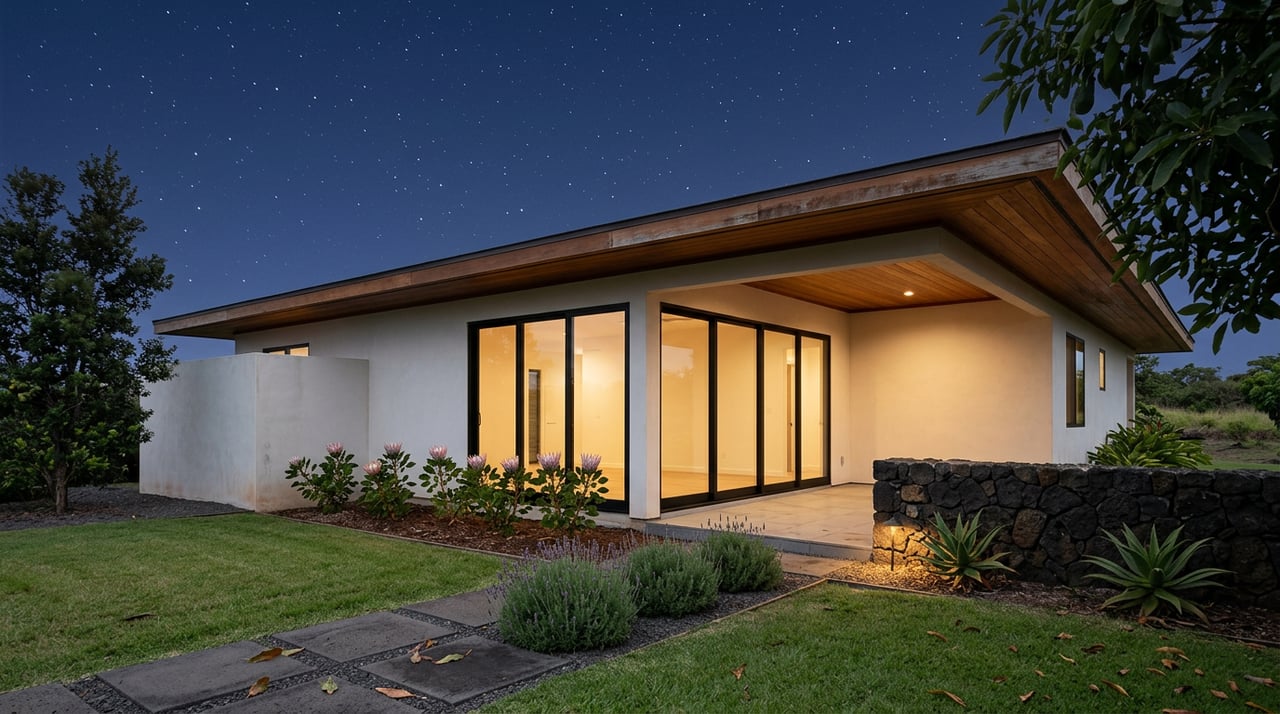
What if your lanai gave you front-row seats to a sky full of stars and sweeping ocean views? If you have been craving more space, cooler evenings, and a slower rhythm, Kula in Upcountry Maui may be exactly what you have in mind. You want real facts about daily life, property types, and the practical checks that come with rural living. In this guide, you will learn what makes Kula special and what to confirm before you buy. Let’s dive in.
Where Kula sits upcountry
Kula sits on the western-facing slopes of Haleakalā, in Maui’s Upcountry region. Most homes and farms span elevations of roughly 1,600 to 3,600 feet, which explains the cooler climate and broad views that define the area. The county’s Makawao–Pukalani–Kula Community Plan highlights a rural, agricultural character with a strong emphasis on preserving open space and a country atmosphere. You will see a mix of small residential neighborhoods, larger parcels, and working farms throughout the district (Maui County community plan).
Kula had 6,942 residents at the 2020 Census. Owner-occupied median home values in recent ACS data are around $1.1M, reflecting the appeal of space and views in a low-density setting. Use the latest U.S. Census QuickFacts for current figures when you are comparing neighborhoods or planning a purchase (U.S. Census QuickFacts).
Climate, views, and starry nights
Elevation shapes Kula’s weather. Daytime highs often run cooler than sea level, and evenings can feel crisp, especially in winter. The National Park’s Haleakalā guidance is a helpful reference point for how temperatures trend with elevation on the mountain and why conditions can shift quickly with clouds and wind (Haleakalā weather overview).
Views are a major draw. Many Kula properties look out over central Maui toward the Wailea and Kīhei coastline and across to the West Maui Mountains. On clear days, it feels like you can see the island breathe. The county community plan describes how the region’s elevation and exposure create these panoramic, bi-coastal perspectives (Maui County community plan).
Night skies set the mood once the sun drops. The summit region of Haleakalā hosts observatories and is known for research-grade clarity. While Kula sits well below the summit, it benefits from darker skies than many coastal neighborhoods, which makes backyard stargazing a regular pleasure. If you are curious about the observatory context and why the mountain is prized for astronomy, start here (Haleakalā Observatories).
Land and an agricultural lifestyle
Kula has deep agricultural roots. You will find vegetable plots, specialty flower farms, protea growers, lavender fields, and the beloved Kula sweet onion tied to Upcountry soils. Small-acreage parcels are part of the appeal, and many buyers look for 1 to 5 acres for gardening, fruit trees, or privacy. The community plan underscores protection of agricultural lands and a measured approach to growth to maintain the rural feel (Maui County community plan).
Farm life shows up in everyday routines. Seasonal strawberry picking, pumpkin patches, and scenic lavender-garden strolls add color to weekends. You can expect pop-up produce stands along the road and a weekend rhythm that centers around fresh food, cool air, and time outdoors.
Markets, food, and local rhythm
The Upcountry Farmers Market at Kulamalu gathers local growers and producers on weekends, and smaller Kula stands keep you supplied through the week. Restaurants lean into views and garden-fresh menus. Kula Lodge is a familiar landmark for visitors and locals thanks to its setting and Upcountry atmosphere (Kula Lodge). Evenings can be sweater weather, which is a welcome change if you are used to warm, humid nights at sea level.
Families take note of local school options. Kula Elementary and the King Kekaulike complex in Pukalani serve much of the Upcountry area. Always confirm current school assignments and programming directly with the official school pages before you make a decision.
Access and commute
Living in Kula means you trade a short walk to the beach for space, views, and cooler air. Drive times vary by micro-location and traffic, but general guidance from local resources puts the Kahului airport at roughly 20 to 35 minutes from central Upcountry, while major resort areas like Wailea and Kāʻanapali are about 30 to 75 minutes depending on time of day. Always check a map with your specific address and timing for a realistic picture (Upcountry weather and drive-time notes).
What to check before you buy
Rural and agricultural living comes with a few extra steps. Use this checklist to frame a smart due diligence process for Kula properties.
- Water access and meter status. Confirm whether the parcel has an installed County water meter or a letter from the Department of Water Supply. Being on a priority list is not the same as having an active meter, and water-shortage stages can limit irrigation and new connections. For context on Upcountry water-meter administration and timelines, review local reporting, and always verify the current DWS stage directly with the County (Maui News overview, County DWS updates).
- Wastewater and cesspools. Many older rural properties still use cesspools. Hawaii law requires conversion on a statewide schedule, and priority areas are tracked in the state’s tool. Conversions can range from several thousand to tens of thousands of dollars depending on system type and site conditions. Check the parcel’s status early using the official prioritization tool (Hawaii cesspool tool).
- Zoning and permitted uses. Review the Makawao–Pukalani–Kula Community Plan and Maui County zoning to understand subdivision limits, accessory dwellings, agricultural uses, and any commercial possibilities like farm stands or ag-tourism. Rules vary by parcel and can affect your plans for cottages, barns, or orchards (Maui County community plan).
- Insurance and hazard context. The 2023 wildfire season increased attention on disaster readiness and insurance availability. Before you commit, ask insurers for quotes on coverage and deductibles, and read the state insurance division’s guidance on disaster resources. For flood risk, consult FEMA’s official map service center for your specific parcel (Hawaii Insurance Division guidance, FEMA flood maps).
- Utilities and services. Broadband and cell coverage can change from one ridgeline to the next. Confirm service providers for your specific address and ask about planned upgrades. Also verify electrical service capacity and any county road or utility projects that may affect access.
- Building and fire protection. Narrow Upcountry roads and limited water supplies can affect fire-flow requirements and driveway access for new builds or accessory units. Ask the county planning or building department about any fire-flow or access conditions tied to the parcel.
Small-acreage living, simplified
If you are dreaming about a hobby farm or a private retreat, Kula offers room to spread out. One to five acres can be enough for a home, a small orchard, and space for gardens or animals, with the bonus of cool evenings and sunrise-to-sunset views. The most successful small-acreage owners match their plans to water realities, zoning, and on-site wastewater requirements. A practical approach will save you time, money, and surprises.
Is Kula the right fit for you?
You may love Kula if you want space, privacy, and a closer connection to Maui’s land. Cooler temperatures make outdoor living comfortable, and the night sky becomes part of your daily life. The tradeoff is more driving to beaches and services. If that balance matches your lifestyle, Kula’s open skies and relaxed pace can feel like home.
Curious how your plans line up with the details of a specific property? With deep island roots and construction-informed guidance, Lena M. Taberna can help you evaluate water, wastewater, access, and build potential while keeping your escrow on track. If you are buying from off-island, you will get hands-on coordination, clear timelines, and local vendor introductions so you can move with confidence.
FAQs
Kula home purchase: Do I get County water with the lot?
- Ask the seller or listing agent for a Department of Water Supply meter letter or proof of an installed meter; being on the Upcountry priority list is not the same as having an active meter (Maui News overview).
Kula properties: Will I need to replace a cesspool?
- Many older rural homes use cesspools; Hawaii law requires conversion on a statewide schedule, and you can check a parcel’s priority level using the state tool (Hawaii cesspool tool).
Kula lifestyle: Is it good for gardening and small farming?
- Yes, cooler temperatures and volcanic soils support vegetables, berries, and specialty flowers, but water availability and any DWS restrictions will shape your plans and scale (Maui County community plan).
Upcountry nights: Can I see the Milky Way from my lanai?
- Many Kula nights are excellent for stargazing compared with coastal areas; for summit-level viewing context, learn about Haleakalā’s observatories and conditions (Haleakalā Observatories, Haleakalā weather overview).